HOA reality check for new-construction communities
"The HOA is $85 a month." OK — that's the smallest fact you should know. The bigger ones are about what happens in years three through seven. Here's the framework Kaz uses with buyers.
The reserve study question
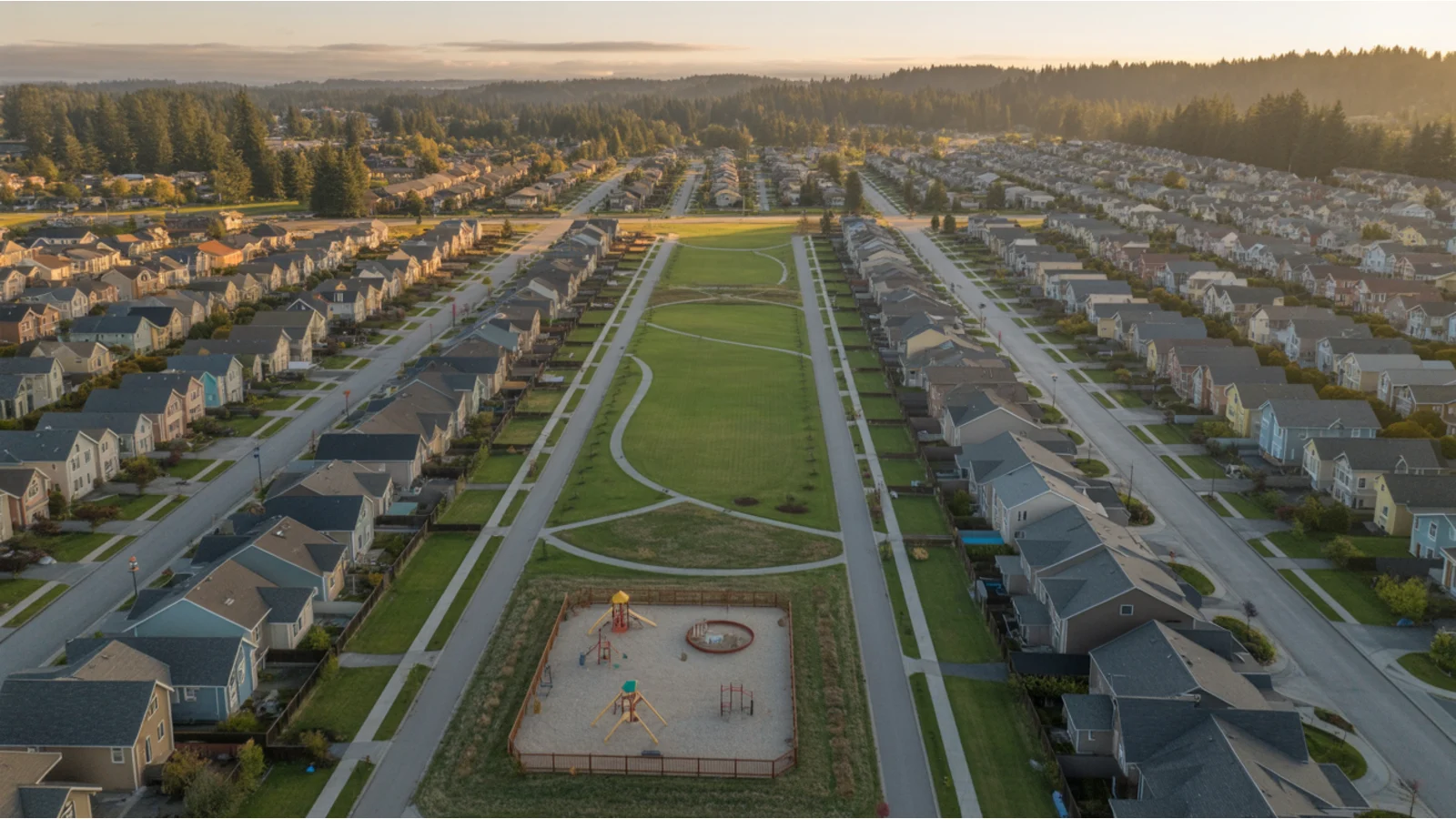
HOAs maintain shared assets — parks, playgrounds, fences, sometimes private roads, sometimes pools. Those assets wear out on a predictable schedule. The reserve study is the document that says how much the HOA needs to save now to replace each asset when its time comes.
New-construction HOAs often start with minimal reserves because the assets are new and the developer set initial dues to be marketable. That's fine for year one. By year four or five, the math either works or it doesn't. If reserves are underfunded when the developer hands the HOA over to homeowner control, the new board faces a choice: raise dues, levy a special assessment, or let the assets degrade.
What to ask: "Can I see the reserve study?" If the answer is "we don't have one yet," you're early. If the answer is "the reserve study shows we'll be 60% funded in five years," that's a yellow flag worth asking more questions about.
Builder transition
For the first phase or two of a new community, the developer controls the HOA board. At a defined point — usually when a percentage of homes is sold or a date passes — control transitions to a homeowner-elected board. That transition is often the moment dues go up, because the developer was running things lean and the new board now has to fund what the developer was deferring.
What to ask: "When does control transition to the homeowners, and what's the dues structure expected to look like after?"
Special assessments
A special assessment is a one-time charge levied on top of regular dues, usually for a specific project or shortfall. They are legal, common in older communities, and can be sizable ($1,500 to $10,000+ depending on the issue). New-construction HOAs are not immune — they're just early.
Year-five-after-build is roughly when special assessments start showing up in poorly funded new-construction communities. The repair work — landscaping, fence replacement, playground equipment — comes due, the reserve isn't there, and the difference goes on a special assessment.
CC&Rs you'll actually live with
The Covenants, Conditions, and Restrictions (CC&Rs) document is the rulebook. New buyers often skim it and discover later that they can't:
- Park a boat or RV in the driveway long term
- Run a daycare or other home business with signage
- Replace the front-yard lawn with native xeriscape
- Build a detached shop or ADU without approval
- Install certain solar configurations on the roof (yes, even in Oregon)
- Paint their front door in a non-approved color
Most CC&R rules are reasonable. Some are restrictive in ways that matter to specific buyers. Read the document — really read it — before you sign.
What "manageable" looks like over five years
Here's a rough framework for what a healthy new-construction HOA trajectory looks like:
- Year 1: Dues at developer level. Reserves low but assets new. Some friction with developer over construction-related complaints (mud, dust, builder trades parking in front of homes).
- Year 2-3: Developer still controls. Dues stable or rising modestly. Reserve study should exist by now. Walk-through your specific community's assets and see if they're being maintained.
- Year 3-5: Transition to homeowner control. Often a dues adjustment at transition. New board hires its own management company.
- Year 5-7: First special assessment risk window. Reserve adequacy gets tested.
Questions to ask before you sign
- What are current monthly dues, and what was the most recent dues change?
- Can I see the reserve study and the most recent balance sheet?
- When does developer control transition to homeowner control?
- What's the master CC&R document and where do I get it?
- Have there been any special assessments in the last three years?
- Is there a rental cap or rental restriction?
- Are there architectural review requirements for changes I'd want to make?
Updated