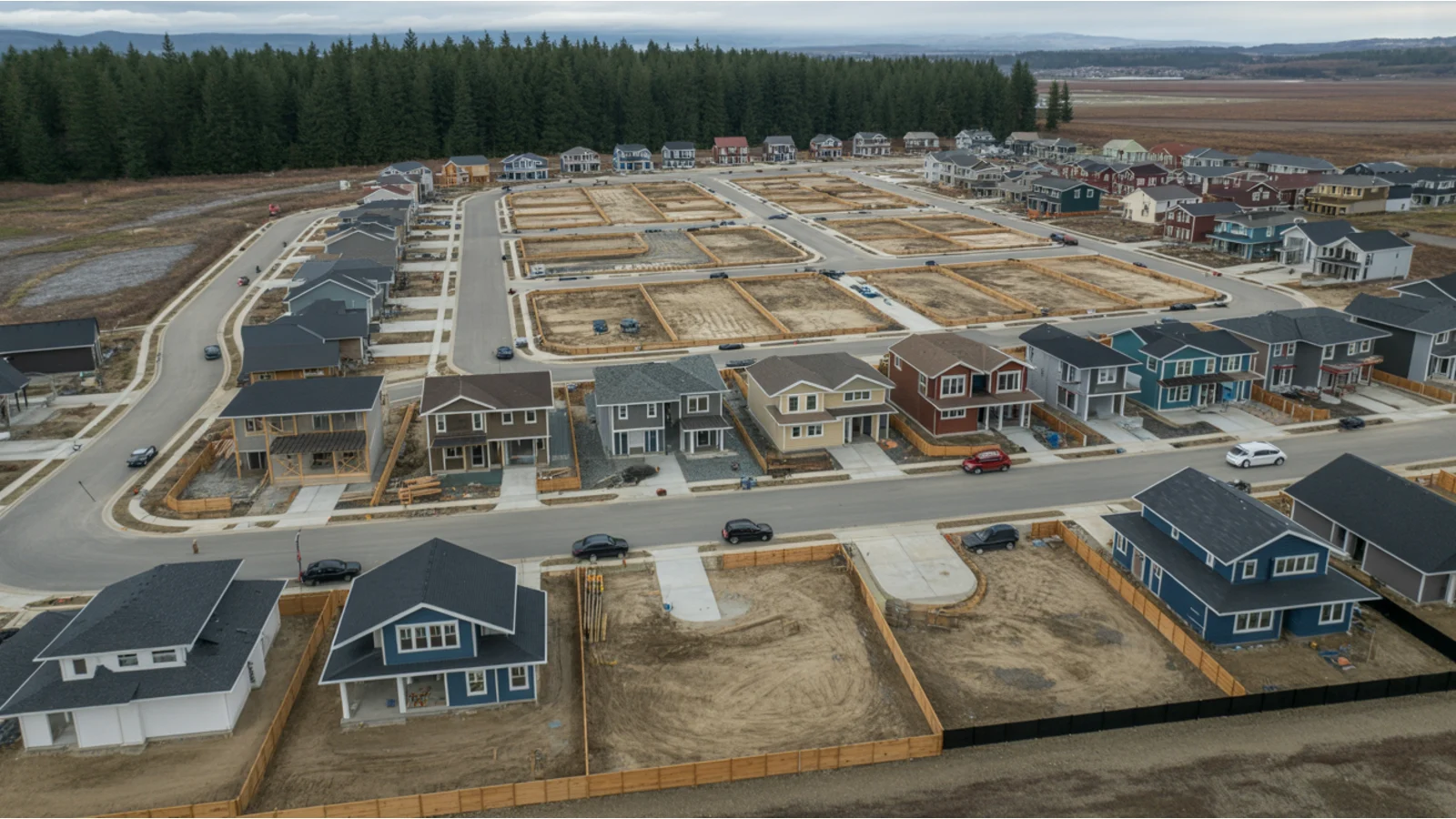
What the 'lot premium' actually buys you
Lot premiums on new-construction lots range from a few thousand dollars to six figures. Sometimes they're worth it. Sometimes they're not. How to tell.
A "lot premium" is the additional charge a builder adds to a specific lot, over and above the base price of the floor plan you're putting on it. Most communities have a base price (the cheapest lot) and a range of premium lots that step up from there. Some range from $5,000 to $15,000. Some range from $25,000 to $150,000+ at higher-end communities.
The premium reflects what makes the specific lot more desirable. The question for a buyer is whether the premium is reasonable for what the lot actually delivers.
Where lot premiums come from
Several factors drive premiums, in roughly the order builders weight them:
- Lot size. Larger lots — by square footage — usually carry a premium. Builders try to standardize lot sizes within a community, but corner lots and odd-shaped lots are often bigger.
- Topography. A walk-out basement lot (downhill from the street, allowing a daylight basement) commands a meaningful premium where geography permits. A flat lot is the baseline.
- Orientation. South-facing front, west-facing back is generally the most desirable orientation in Portland metro for sun exposure. North-facing front, south-facing back is second-most desirable. The builder will sometimes premium these orientations.
- View. A view of something — a greenbelt, a park, a treeline, a mountain on a clear day — commands a real premium and is usually the largest single contributor where it applies.
- Privacy. Lots that back to a greenbelt or open space (no neighbor behind you) command a premium of $5,000 to $30,000+ depending on community.
- Corner / location within the community. Corner lots, lots on the entrance loop, lots at the end of a cul-de-sac all get premiums (positive in most cases, sometimes negative for high-traffic corners).
- Lot premiums for "first phase" or "early release" lots. Builders sometimes price the earliest-released lots aggressively to build sales momentum. Late-release lots in the same phase may carry less premium even with similar features.
How to read a lot map
Get the lot map. Every community has one. It will show:
- Phase boundaries
- Lot numbers
- Lot sizes (often in square footage)
- Premium amounts per lot
- Status (available, reserved, sold, pending)
Walk the actual lots. Yes, in person. The lot map shows you orientation; the actual lots show you sight lines, neighbor placement, slope, and the trees that are or aren't going to be left in place. What the lot map calls "greenbelt" sometimes looks like a 40-foot buffer with a chain-link fence in reality.
What's worth a premium
Defensible premiums, in roughly the order of resale impact:
- View. A view that's protected (greenbelt, conservation easement) is worth the premium. A view that's not protected (looking at vacant land that may be developed) is less so.
- Backing to permanent open space. Privacy and quiet that can't be replicated later.
- Larger lot. If your house plan benefits from a bigger yard (kids, pets, garden), a larger lot is worth premium dollars.
- Walk-out basement lots. Adds usable living space at moderate per-foot cost.
- Better orientation for solar. South-facing roof exposure matters if you plan to install solar.
- Cul-de-sac. Less traffic, more kid-safe, harder to find in newer communities.
What's usually not worth a premium
Premiums that don't usually translate at resale:
- "Premium location" with no specific feature. If the lot map shows a $10,000 premium and you can't see what justifies it, push back.
- Slightly larger square footage that doesn't change usable yard space. A 6,500 sq ft lot vs a 6,200 sq ft lot is mostly the same.
- First-phase release premiums on lots without specific features. Late-phase lots in the same orientation often run cheaper.
- "View of the model home" lots. Yes, this comes up. No, it's not a view.
Where lot premiums are negotiable
Builders are more flexible than buyers tend to assume. The flexibility depends on:
- Phase timing. Early in a phase, premiums are firmer. Late in a phase (last few lots available), premiums often have meaningful room to negotiate down.
- Inventory pressure. If the community is selling slowly, all prices — including lot premiums — are more negotiable. If it's hot, the premium is what it is.
- Bundled negotiation. A builder may not lower a lot premium directly but will offer a closing-cost credit or design-center credit that effectively offsets it. Sometimes the path of least resistance.
The agent's job here (Kaz's job, on her buyers' behalf) is to know which premiums are real and which are aggressive, and where the builder has shown willingness to flex on recent transactions in the same community. That information is not on the lot map.
A specific example
At a community like Copper Heights, a corner lot with privacy on two sides and backing to the community park might be listed with a $25,000 premium. That premium is defensible — the lot has real features that don't exist on the lot two doors down. The buyer who pays it is buying something specific.
A mid-block lot with a $12,000 premium for "premium location" with no visible feature differentiation from the lots on either side? That premium is less defensible and more negotiable. Ask. The worst answer is "no."
The play
- Walk every lot you're considering, in person, at the time of day you'll spend most evenings at home.
- Get the lot map with premium pricing in writing.
- Identify which features on which lots justify the premium.
- Decide your top choice and your second choice — the second choice matters when your first choice has aggressive premium pricing.
- Negotiate. The builder is the seller; lot premiums are negotiable like any other price.
The lot is the one thing you can't change later. The plan you can change, the finishes you can change, even the home you can change if you sell. The lot is permanent. Pay attention to it accordingly.
Tour with Kaz
Get registered before your first visit so your representation is preserved.
Request a community tour